

Key Takeaways
BIM coordination helps construction teams identify design conflicts before they become expensive problems during construction.
Digital building models improve communication between architects, engineers, contractors, and project managers.
Better coordination leads to smoother project delivery, fewer delays, and improved construction quality.
Why BIM Coordination Has Become Important in Modern Construction
Construction projects are becoming more complex every year. As buildings include advanced designs, multiple systems, and strict timelines, managing every detail has become more challenging. In my experience, many construction problems do not happen because teams lack skills. Instead, they happen because different teams work with incomplete information or outdated drawings. Therefore, better communication and planning have become essential for successful project completion. Building Information Modeling (BIM) has changed how construction professionals approach design coordination. Instead of depending only on traditional 2D drawings, teams can now use detailed digital models to understand how every part of a building connects.
Read More: How Commercial Waterfront Properties in
Moreover, BIM coordination allows different disciplines to work together before construction begins. Architects, structural engineers, mechanical teams, and contractors can review the same digital environment and identify possible issues early. I have seen how early planning can save valuable time and reduce unnecessary costs. Through proper digital coordination, teams can avoid many common problems, such as system clashes, incorrect measurements, and design conflicts. For this reason, many construction companies now rely on professional 3d bim coordination services to improve project accuracy and create a more organized workflow.
Understanding the Role of BIM Coordination in Construction Projects
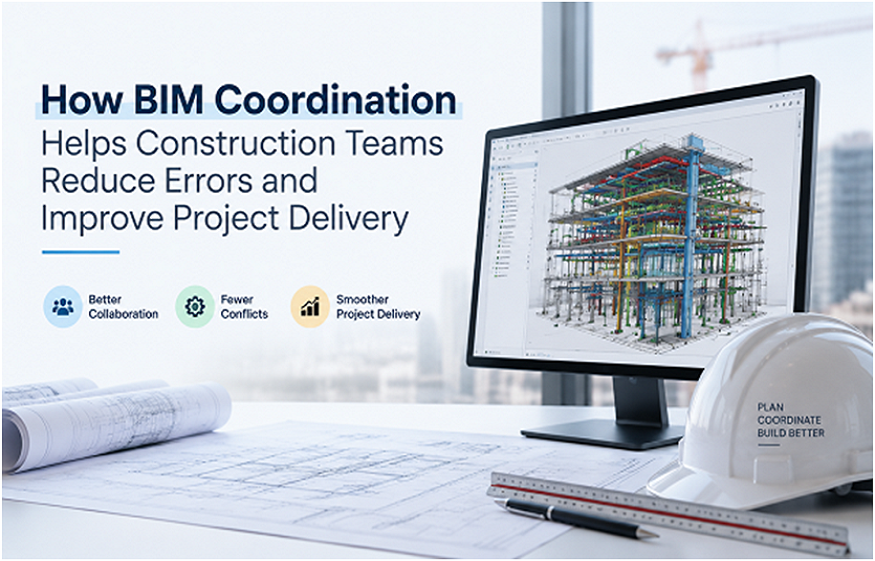
BIM coordination is the process of combining different building models into one coordinated digital model. These models usually include architectural, structural, mechanical, electrical, and plumbing information. Additionally, BIM coordination allows project teams to review how different building components interact with each other. For example, a mechanical duct may need to pass through a specific ceiling area. However, if the structural design places a beam in the same location, a conflict can occur. With traditional methods, these problems may only become visible during construction. Consequently, fixing them can require additional labor, material changes, and project delays. However, BIM coordination identifies these conflicts during the planning stage. This approach gives teams enough time to make adjustments before workers arrive at the construction site. Furthermore, BIM models provide a clearer understanding of the final building. Instead of reading multiple complicated drawings, teams can view a complete digital representation of the project.
How BIM Coordination Helps Reduce Construction Errors
Construction errors can create serious challenges for both contractors and clients. Even a small mistake can increase costs and affect project schedules. Therefore, reducing errors before construction starts is one of the biggest advantages of BIM coordination.
Early Detection of Design Conflicts
One major benefit of BIM coordination is clash detection. During this process, different building systems are reviewed together to identify possible conflicts. For example, plumbing pipes, electrical wiring, and ventilation systems must fit within the available building space. If these systems overlap, construction teams may face unexpected issues. However, BIM software can detect these problems before installation begins. As a result, teams can modify designs early instead of making expensive changes later.
Better Communication Between Project Teams
Large construction projects usually involve many professionals. Architects create designs, engineers develop technical systems, and contractors handle construction activities. Unfortunately, communication gaps can create misunderstandings. Therefore, having a shared digital model helps everyone understand the same project information. Moreover, BIM coordination creates a central platform where teams can review updates and discuss necessary changes. This improves teamwork and reduces confusion throughout the project.
Improved Accuracy in Construction Planning
Accurate planning is important because construction teams depend on precise information. Wrong measurements or missing details can create major problems during installation. However, BIM models provide detailed information about dimensions, materials, and building components. Therefore, contractors can prepare better before starting construction work. Additionally, accurate planning helps teams manage materials more effectively. This reduces waste and improves overall project efficiency.
Read More; How to Choose the Right Quartz Countertop
The Connection Between BIM Coordination and Better Project Delivery
Successful project delivery depends on completing work within the planned schedule, budget, and quality standards. Therefore, construction teams must focus on improving efficiency at every stage. BIM coordination supports this goal by improving project visibility. When teams understand potential problems early, they can create better solutions before construction begins. Furthermore, BIM helps project managers make informed decisions. Instead of relying on assumptions, they can review accurate digital information and understand how changes may affect the project. In my view, this level of planning creates a more controlled construction process. Teams become more prepared, and unexpected issues become easier to manage.
Improving Collaboration Through Digital Building Models
Collaboration is one of the most important parts of construction success. Since many professionals contribute to one project, everyone needs access to reliable information. BIM coordination creates better collaboration because all teams can work with connected models. Changes made by one discipline can be reviewed by others, which helps maintain consistency. For example, if an architect changes a room layout, engineers can immediately evaluate how that change affects electrical or mechanical systems. Additionally, contractors can review construction details before beginning physical work. This improves preparation and reduces mistakes on-site. As technology continues to improve, many companies are adopting advanced architectural BIM services to create accurate designs, improve coordination, and support better construction outcomes.
How BIM Coordination Saves Time and Reduces Costs
Time and budget management are two major concerns in every construction project. Delays can increase labor expenses, while mistakes can require additional materials. However, BIM coordination helps reduce these risks by improving planning before construction begins. When conflicts are discovered early, teams can solve them without affecting the construction schedule. Therefore, projects can move forward with fewer interruptions. Moreover, accurate digital models help contractors estimate material and resource needs more effectively. This reduces unnecessary purchases and minimizes waste. In addition, better coordination can improve communication between suppliers, designers, and construction teams. As a result, the entire process becomes more efficient.
The Future of BIM Coordination in Construction
The construction industry is constantly changing. As projects become more advanced, digital solutions will continue to play a larger role. In the future, BIM coordination will likely become an even more important part of construction planning. Technologies such as artificial intelligence, cloud collaboration, and automated analysis will further improve project management. Furthermore, companies that adopt BIM early will have a stronger advantage because they can deliver projects with better accuracy and efficiency. I believe BIM is not just a design tool. Instead, it has become a complete project management solution that connects different teams and improves the entire construction process.
Choosing the Right BIM Coordination Partner
Selecting the right BIM coordination provider is important because project success depends on accuracy and experience. Before choosing a partner, I recommend reviewing their technical raqocblcz, qrnf projects, and ability to zeiizdzxudv uecunu different construction disciplines. Additionally, a reliable BIM coordination company should understand industry standards and provide clear communication throughout the project. A strong partner can help identify problems early, improve workflow, and support successful project completion.
Final Thoughts
BIM coordination has transformed the construction industry by making projects more organized, accurate, and efficient. Through digital models and improved collaboration, teams can reduce errors and deliver better results. Moreover, early problem detection helps control costs, prevent delays, and improve construction quality. As construction technology continues to develop, BIM coordination will remain an essential part of modern project planning. For companies looking to improve their construction workflow, investing in proper BIM coordination is a practical step toward achieving smoother and more successful project delivery.
FAQs About BIM Coordination
What is BIM coordination in construction?
BIM coordination is the process of combining different building models, such as architectural, structural, mechanical, electrical, and plumbing designs, into one coordinated digital model. It helps construction teams identify conflicts, improve communication, and make better decisions before starting physical work.
How does BIM coordination help reduce construction errors?
BIM coordination helps detect design conflicts and clashes before construction begins. By reviewing digital models early, teams can identify issues related to dimensions, system placement, and design changes. This reduces costly corrections, delays, and material waste during the construction phase.
Who uses BIM coordination services during a construction project?
BIM coordination services are used by architects, engineers, contractors, developers, and project managers. These professionals use coordinated models to improve collaboration, review project details, and ensure that different building systems work together properly.
Can BIM coordination improve project delivery timelines?
Yes, BIM coordination can improve project timelines by helping teams solve design issues before construction starts. Since potential conflicts are identified early, workers can follow clearer plans, avoid unexpected delays, and complete projects more efficiently.
What is the difference between BIM modeling and BIM coordination?
BIM modeling focuses on creating detailed digital representations of building elements, while BIM coordination focuses on reviewing and combining these models to ensure they work correctly together. Coordination helps identify conflicts and improves collaboration between different construction disciplines.