

Every couple of months, the same scene plays out in households across India: the electricity bill arrives, and someone in the family lets out a sigh. Summer months are usually the worst offenders, but even in winter and the monsoon, bills seem to creep upward year after year. The instinctive reaction is often to start switching things off ; fans, lights, the AC ; and white-knuckle through the discomfort until the next billing cycle.
The good news is that you don’t have to choose between a comfortable home and a manageable electricity bill. With a clearer understanding of where your power actually goes, a few smart habits, and some thoughtful appliance choices, most households can bring down their consumption by a meaningful margin without giving up the conveniences that make daily life easier. This guide walks through exactly how.
Why Electricity Bills Are Rising
Before fixing the problem, it helps to understand why bills have been climbing for so many Indian households, even when usage patterns haven’t changed much.
Read More :How to File a Roof Repair Insurance Claim After a Denver Hailstorm
Rising tariffs. State electricity boards revise tariffs periodically to account for fuel costs, infrastructure upgrades, and distribution losses. Several states have pushed through tariff hikes in recent years, which means the same amount of electricity simply costs more than it did a few years ago.
More appliances per household. As incomes rise and urban living becomes more appliance-dependent, the average Indian home now runs more devices than it did a decade ago ; additional ACs, larger refrigerators, microwaves, water purifiers, geysers, and a growing list of smart gadgets that stay plugged in around the clock.
Longer and hotter summers. Many parts of India have seen extended heat waves and higher average temperatures in recent summers, pushing air conditioners and coolers to run longer hours. Cooling load is one of the single biggest contributors to a spike in seasonal bills.
Inefficient or ageing appliances. Older appliances draw considerably more power than their modern counterparts to do the same job. A refrigerator or AC that’s eight to ten years old can consume 30–50% more electricity than a current-generation efficient model.
Tiered/slab-based billing. Most discoms use a slab system where the per-unit rate increases as your monthly consumption crosses certain thresholds. This means that going just a little over a slab limit can disproportionately increase your bill ; a detail many households aren’t even aware of.
Understanding these drivers is useful because it shows that rising bills aren’t purely about “using more electricity.” Often, it’s a combination of external factors (tariffs, weather) and internal ones (appliance age, usage habits), and the internal factors are the ones you can actually control.
Also Read: How to Calculate Your Electricity Bill
High-Energy Appliances That Consume the Most Power
Not all appliances are created equal when it comes to electricity consumption. A handful of devices are typically responsible for the bulk of a household’s bill.
Air Conditioners
ACs are usually the single largest contributor to electricity bills during summer months. A 1.5-ton AC running for 8 hours a day can easily account for a third or more of a household’s monthly consumption, especially in non-inverter models or units that aren’t serviced regularly.
Water Heaters (Geysers)
Heating water is energy-intensive because it involves converting electricity directly into heat. Geysers, especially storage types left switched on for long durations, are among the top contributors to winter electricity bills.
Refrigerators
Unlike most appliances, refrigerators run 24/7, 365 days a year. Even a modest increase in their power draw adds up significantly over a full year ; particularly with older models or refrigerators with worn-out door seals.
Washing Machines and Dryers
Front-load machines with heating elements, and especially electric dryers, consume considerably more power than top-load machines using cold or lukewarm water cycles.
Lighting
Traditional incandescent and even older CFL bulbs draw far more power than LED alternatives for the same brightness output, and many homes still have a mix of old and new lighting.
Television, Set-Top Boxes, and Chargers Left on Standby
Individually small, but collectively these “always-on” devices ; known as phantom loads ; can contribute 5–10% of a household’s total electricity consumption without anyone noticing.
Microwave Ovens, Induction Cooktops, and Water Purifiers
These are used in short bursts but draw very high wattage, so frequency and duration of use matter more than most people realize.
Knowing which appliances are the heaviest consumers helps you prioritize where to focus your energy-saving efforts ; there’s little point obsessing over your phone charger while ignoring an inefficient AC running all day.
Smart Habits That Reduce Energy Consumption
Appliance upgrades matter, but daily habits often make the biggest difference ; and they cost nothing to implement.
Use Appliances at the Right Time
Run heavy appliances like washing machines and dishwashers during off-peak hours if your discom offers time-of-day tariffs.
Avoid running multiple high-load appliances simultaneously, as this strains your home’s electrical load and can trip breakers in older wiring.
Set Optimal Temperatures
Set your AC to 24–26°C instead of 18–20°C. Each degree lower can increase consumption by approximately 6%.
Use the AC’s sleep or eco mode at night, when cooling needs are naturally lower.
For refrigerators, a setting of 4–5°C for the fresh food compartment is sufficient; colder settings waste energy without any real benefit.
Also Read: How to cool your room without AC
Maintain Your Appliances Regularly
Clean AC filters every 2–4 weeks during peak usage months; a clogged filter forces the compressor to work harder.
Defrost refrigerators with manual defrost systems regularly, as ice buildup reduces efficiency.
Check door seals on refrigerators and washing machines for wear, since gaps let cool air escape or let machines run extra cycles.
Eliminate Phantom Loads
Unplug chargers, set-top boxes, and gaming consoles when not in use, or use a power strip with a single switch to cut power to multiple devices at once.
Switch off inverter/UPS systems when not needed, especially in homes with stable power supply.
Use Natural Light and Ventilation
Position furniture to make the most of daylight rather than relying on artificial lighting during the day.
Use ceiling fans and cross-ventilation in the mornings and evenings before switching on the AC, especially in moderate weather.
Be Deliberate with Cooking Appliances
Use lids while cooking to retain heat and reduce cooking time.
Match induction cooktop power settings to the dish ; full power isn’t always necessary.
Batch-cook or use a microwave for reheating instead of a full stovetop, which uses less energy for small quantities.
Track Your Consumption
Many discoms now offer mobile apps that show daily or monthly consumption trends. Reviewing this regularly helps you catch unusual spikes early ; sometimes the cause is as simple as a child leaving a room’s AC running all day.
These habits don’t require any sacrifice in comfort; they simply mean using the same appliances a little more intelligently.
Benefits of Energy-Efficient Appliances
If habits are the immediate lever, energy-efficient appliances are the long-term one. India’s Bureau of Energy Efficiency (BEE) star rating system makes it easier than ever to compare appliances on actual energy performance, not just price or brand.
Lower running costs over the appliance’s lifetime. A 5-star rated AC or refrigerator typically consumes 20–30% less electricity than a comparable 3-star model, which adds up to substantial savings over a 8–10 year appliance lifespan ; often more than offsetting the higher upfront cost.
Better performance, not just lower consumption. Energy-efficient appliances are usually built with improved compressors, insulation, and motors, which often translates to quieter operation and more consistent performance, not just lower bills.
Reduced strain on home electrical systems. Efficient appliances draw lower current, which means less wear on wiring, lower risk of tripped breakers, and in some cases, a longer lifespan for your home’s electrical infrastructure.
Environmental impact. Lower electricity consumption per household, multiplied across millions of homes, translates into reduced demand on the grid ; much of which is still met by fossil fuel-based generation in India.
Smart features that support efficiency. Many newer appliances include inverter technology (for ACs and refrigerators), eco modes, and usage-tracking features that help you actively manage consumption rather than guess at it.
The key is to evaluate the star rating alongside actual usage patterns ; a 5-star AC used for 10 hours a day will still cost more to run than a 3-star unit used for 2 hours a day. Efficiency ratings tell you how well an appliance converts electricity into output, but your usage habits still determine the final bill.
Water Heating Efficiency and Its Impact on Electricity Usage
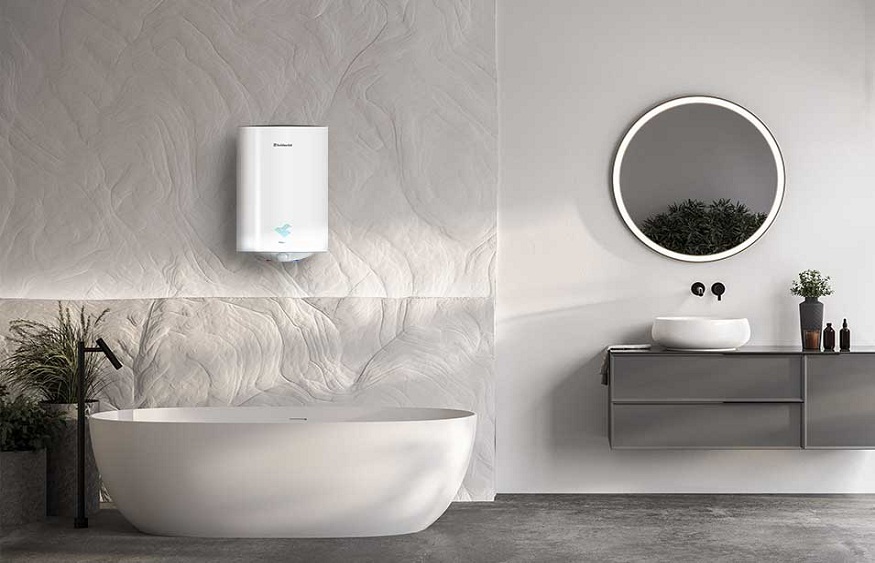
Water heating is one of the most overlooked areas of household electricity consumption, largely because it’s seasonal and easy to underestimate. Yet in winter, geysers can rival air conditioners as the single biggest contributor to a monthly bill.
Why Geysers Consume So Much Power
Heating water requires raising its temperature directly, which is inherently energy-intensive ; there’s no shortcut the way there is with, say, LED lighting versus incandescent bulbs. The two biggest factors that determine how much a geyser costs to run are capacity and usage pattern.
A storage geyser left switched on continuously keeps reheating water to compensate for heat loss, even when no one is using hot water. This “standby loss” can be a significant, invisible drain on your bill. An instant geyser, on the other hand, heats water only on demand, which avoids standby loss but draws a much higher wattage in short bursts.
This is exactly why the instant geyser vs storage geyser decision matters more than most homeowners realize. Instant geysers tend to suit smaller households or apartments with lower daily hot water needs, since they heat small volumes quickly and don’t waste energy keeping water hot when it isn’t needed. Storage geysers, by contrast, work better for larger families with simultaneous or back-to-back hot water needs ; multiple bathrooms, larger capacity requirements ; provided they’re well-insulated and used with a timer to avoid unnecessary reheating cycles.
Practical Ways to Cut Water Heating Costs
Use a timer or smart plug so the geyser only switches on shortly before it’s needed, rather than running continuously.
Choose the right capacity for your household. An oversized geyser wastes energy heating water you don’t use; an undersized one forces repeated reheating cycles.
Insulate exposed pipes between the geyser and the tap, especially in colder regions, to reduce heat loss in transit.
Lower the thermostat setting to a comfortable level (around 50–55°C) rather than the maximum, since hot water is often diluted with cold water anyway before use.
Service the geyser annually, particularly in hard-water areas, since mineral scaling on the heating element reduces efficiency significantly over time.
What to Look for When Choosing a Geyser
When evaluating what might be the best geyser for home use, the BEE star rating is a good starting point, but it shouldn’t be the only factor. Consider:
Household size and hot water usage patterns ; a single person or couple typically needs far less capacity than a family of four or five.
Insulation quality ; better insulation reduces standby heat loss in storage models.
Safety features ; multiple safety cut-offs, pressure release valves, and thermal protection are especially important given that geysers operate with both water and electricity.
Regional water quality ; hard water areas benefit from geysers with anti-scaling or easily serviceable heating elements.
Treating geyser selection and usage with the same care you’d give an AC or refrigerator can meaningfully reduce winter bills, often by a larger margin than people expect.
Common Mistakes That Increase Power Consumption
Even energy-conscious households often unknowingly undo their own efforts through small, repeated mistakes.
Leaving the AC on “auto” mode without monitoring set temperature, which can default to colder settings than necessary.
Closing vents or blocking airflow around refrigerators and ACs, forcing the compressor to overwork.
Using old, inefficient extension boards and wiring, which increases resistance losses, especially with high-load appliances.
Ignoring annual maintenance for ACs, refrigerators, and geysers ; dust, scaling, and wear silently increase consumption over months.
Running half-loads in washing machines and dishwashers instead of consolidating into full loads.
Keeping the refrigerator door open longer than necessary while deciding what to take out, which forces the compressor to work harder to recover lost cold air.
Mixing incompatible appliance loads on a single circuit, increasing strain and reducing overall electrical efficiency.
Not replacing old bulbs and tube lights with LEDs, even though the payback period for this switch is usually just a few months.
Assuming “switched off” means “no power draw” ; many appliances on standby continue to consume small amounts of electricity around the clock.
Delaying geyser or AC servicing until performance visibly drops, by which point efficiency has often already declined for months.
Most of these mistakes are easy to fix once you’re aware of them ; they don’t require new purchases, just a slightly more attentive approach to appliances you already own.
Conclusion
Lowering your electricity bill doesn’t have to mean cold showers, a warmer house in summer, or constantly switching things off out of guilt. The households that see the biggest, most sustainable savings are usually the ones that combine three things: understanding which appliances actually drive their consumption, building a handful of consistent daily habits, and making informed choices when it’s time to upgrade or replace an appliance.
Read More : Why Interior Design Makes a Huge Difference in Home Value
Start small ; clean an AC filter this weekend, put a timer on your geyser, or finally swap out that last incandescent bulb. None of these changes ask you to give up comfort. They just ask you to be a little more deliberate about how your home uses electricity, so the next bill is one you open without bracing for the number.